



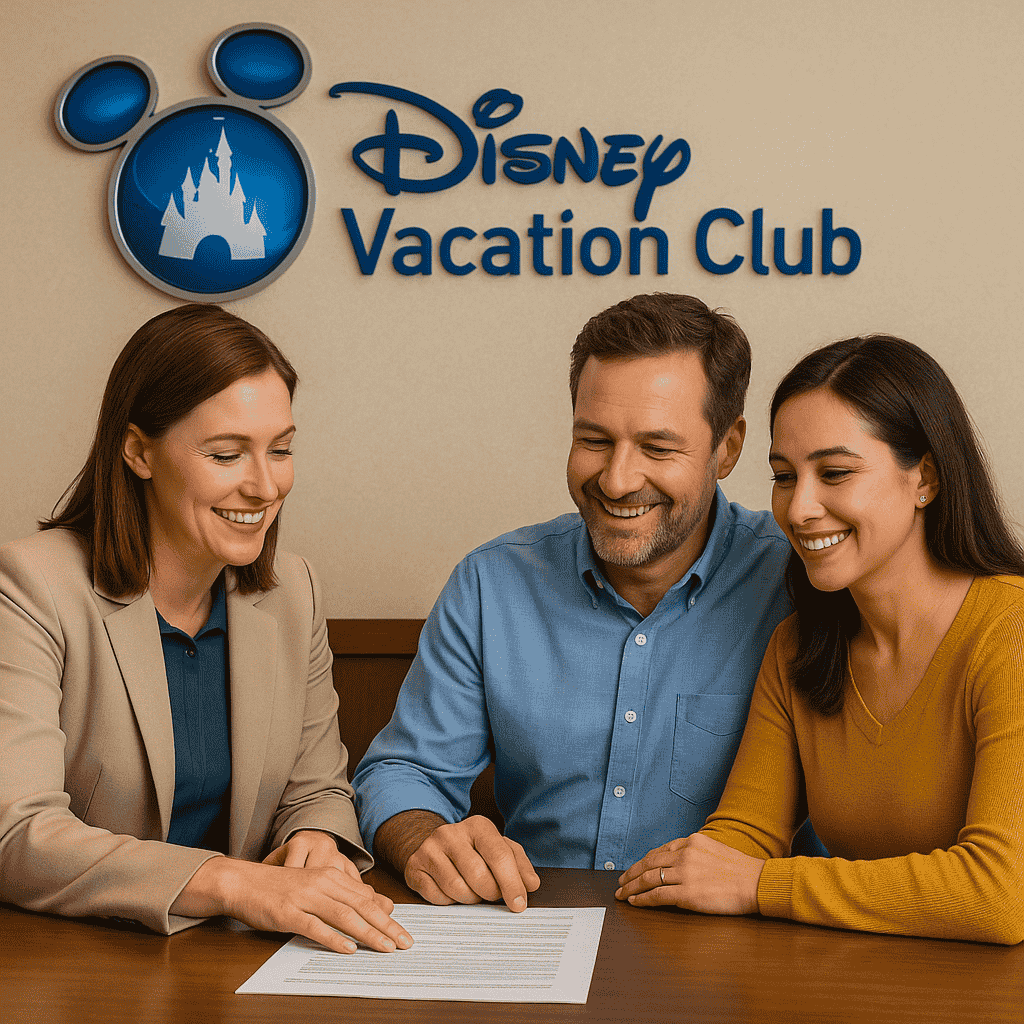
Understanding the Disney ROFR Process and What Comes Next

If you've just found out that Disney purchased your DVC membership through the Right of First Refusal (ROFR), you might be wondering what changes.
The short answer: everything stays the same for the seller, but the buyer will see significant changes. Let's break it down.
What Happens to the Seller When Disney Purchases the Contract?
For DVC sellers, the process remains nearly identical to a traditional resale transaction. Once Disney steps in and exercises its Right of First Refusal, it effectively replaces the original buyer but honors the same terms and sale price outlined in your contract.
Selling your DVC membership to Disney often results in a faster closing. Disney typically handles the title work through their in-house title company, which streamlines documentation and speeds up the closing process. There's no extra work needed on your end. Your proceeds and timeline stay the same.
The seller walks away with exactly what they expected: same price, same terms, often faster processing. If you're new to how ROFR works or how it might impact your plans, here's a helpful guide to DVC resale restrictions that breaks down the process in detail.
What Buyers Should Expect When Disney Steps In
Unfortunately for buyers, things aren't as straightforward. When Disney purchases a contract through ROFR, your existing contract is canceled. The title company is removed from the process, and your deposit is no longer applied to that particular transaction.
The good news? If you haven't moved forward with another listing, your deposit will be refunded in full. If you've already selected a new property, your deposit can often be transferred immediately to the new contract without waiting.
To avoid starting from scratch, we're ready to help you find a comparable DVC resale listing right away. We'll assist in reviewing options that fit your budget and resort preferences. Start here: DVC Resale Listings.
In our experience helping hundreds of families through this process, most buyers who lose a contract to ROFR find an even better match within a few weeks. The key is moving quickly while inventory remains available.
How Does Disney Decide When to Purchase Back Contracts?
Disney's ROFR decisions aren't always predictable. Sometimes they'll pass on incredible deals, and other times they'll snap up a contract that seems average. But there is one trend that often holds true.
If a DVC contract is priced well below market value, it's more likely that Disney will exercise ROFR and purchase the contract. This makes sense from Disney's perspective: they can acquire inventory at below-market prices and either hold it for future sales or resell it at retail prices.
You can use this DVC resale value calculator to estimate fair market prices and reduce the risk of Disney stepping in. Contracts priced at or slightly above market value have a much better chance of passing through ROFR successfully.
Recent ROFR Patterns We've Observed
Over the past few years, we've noticed some interesting patterns in Disney's ROFR behavior. Popular resorts like Bay Lake Tower and Beach Club often see more ROFR activity, particularly for contracts with attractive use years or point totals.
Smaller contracts (under 100 points) sometimes pass through ROFR even at competitive prices, possibly because Disney focuses on acquiring larger blocks of points. But this isn't a guarantee, and we've seen 50-point contracts taken just as often as 200-point contracts.
The timing of your offer can also matter. During busy seasons when Disney's direct sales are strong, they may be less aggressive with ROFR. During slower periods, they might snap up more resale inventory.
What This Means for Your DVC Strategy
If you're concerned about ROFR, there are a few approaches to consider. First, you can target contracts priced at fair market value rather than the absolute lowest prices. Yes, you'll pay a bit more, but you'll have a much better chance of completing the transaction.
Second, consider resorts where Disney has been less active with ROFR recently. Our DVC market reports track these trends and can help guide your decision.
Third, don't put all your eggs in one basket. Work with a broker who can help you identify multiple suitable contracts, so if one gets taken by ROFR, you're ready to move on the next option immediately.
The Financial Impact of ROFR
For sellers, ROFR actually represents the best possible outcome financially. You get your asking price with no negotiations, no buyer financing delays, and often faster closing. Disney pays cash and handles everything efficiently.
For buyers, the impact depends on how quickly you can secure another contract. If you were targeting a particularly good deal that got taken by ROFR, you might end up paying slightly more for your replacement contract. But given that DVC contracts typically appreciate over time, the difference often becomes negligible within a year or two.
The bigger consideration is timing. If you were hoping to book a specific trip or take advantage of current annual dues rates, a ROFR delay might affect those plans.
What Buyers Can Do Next
If you've lost a contract to ROFR, don't worry. You're not alone, and this doesn't have to derail your DVC plans. Many buyers experience this, especially when targeting popular resorts or particularly attractive deals.
The key is acting quickly with the help of an experienced resale team. We maintain relationships with title companies and can often have your deposit transferred to a new contract within 24 hours. You can also explore resources like our comprehensive ROFR guide to understand recent patterns and trends.
For future purchases, working with a knowledgeable team helps you compare DVC brokers, understand current market conditions, and strategize your offers for better outcomes.
Consider broadening your search criteria slightly. If you were focused on a specific resort and use year combination, expanding to include similar options can dramatically increase your chances of success while still meeting your vacation needs.
Understanding the Timeline
The ROFR process typically takes 30-45 days from when Disney receives the contract. During this time, your contract is essentially in limbo while Disney decides whether to exercise their right to purchase.
If Disney passes on the contract (doesn't exercise ROFR), your transaction proceeds normally toward closing. If Disney exercises ROFR, you'll typically know within that 30-45 day window, giving you time to evaluate other options.
This timeline is important to factor into your vacation planning. If you need points for a trip that's less than 90 days away, ROFR timing could affect your ability to book that specific vacation.
Working with Title Companies and Closings
When Disney exercises ROFR, they typically use their preferred title company, which often speeds up the closing process. For sellers, this means potentially getting your proceeds 2-3 weeks faster than a typical resale transaction.
The title company handling your original transaction will coordinate the transfer of documentation to Disney's title company. As the seller, you don't need to do anything differently. Your closing documents and wire transfer details remain the same.
For buyers whose contracts are canceled due to ROFR, the original title company will handle refunding your deposit or transferring it to your new contract, depending on your instructions.
Long-Term Market Implications
Disney's ROFR activity affects the broader DVC resale market in several ways. When Disney removes inventory through ROFR, it reduces the supply of available contracts, which can support higher resale prices over time.
This creates an interesting dynamic: while ROFR can be frustrating for individual buyers, it actually helps protect the value of DVC memberships for all owners. Disney's willingness to repurchase contracts at market rates demonstrates their confidence in the long-term value of DVC ownership.
For current DVC owners considering selling, Disney's active ROFR participation means you're likely to receive fair market value for your contract, whether Disney or a retail buyer ultimately purchases it.
Final Thoughts: What Changes When Disney Purchases Your Membership?
In summary:
- Sellers: No change in payout or contract terms. The process may even be faster, and you're guaranteed to receive your asking price.
- Buyers: Contract canceled, but deposits are refunded or transferred, and new options are available quickly with the right broker support.
While Disney's ROFR can feel like a setback for buyers, it doesn't have to derail your DVC journey. With proper guidance and access to current listings, you'll be back on track quickly. Most buyers who experience ROFR end up just as happy with their replacement contract.
The important thing is working with a broker who understands current ROFR trends and can help you develop a strategy that maximizes your chances of success. Want to explore current listings or learn more about Disney's ROFR patterns? Start browsing today.



Got Something on Your Mind?
Your email address will not be published. Required fields are marked *