



Understanding Seller Banking Requests in DVC Resale Transactions

When you're purchasing a Disney Vacation Club resale contract, the timing of point transfers can create complications, especially when banking deadlines are approaching. One of the most common questions we hear from buyers is: "Can the seller bank my DVC points before the ownership transfers?" This situation is called a seller banking request, and it's an important aspect of the resale process that can save you from losing valuable vacation points.
Understanding how seller banking requests work will help you protect your investment and maximize the points you're purchasing. Let's walk through what these requests involve and when you might need one.
What Is a Seller Banking Request?
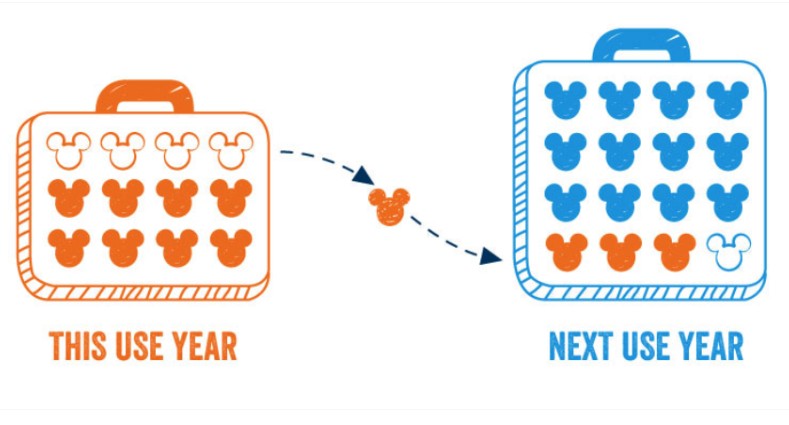
A seller banking request happens when you, as the buyer, ask the current owner to bank points on your behalf before the contract officially transfers to your name. Banking moves current use year points into the next use year, extending their expiration date by 12 months. This prevents points from expiring before you can access the membership account.
The request becomes necessary when there's a timing mismatch between the banking deadline and when you'll gain access to the account. Many resale transactions include provisions for this scenario because it's such a common issue. At DVC Sales, we include seller banking language in our contracts to protect buyers from losing points due to timing issues beyond their control.
Why Would You Need the Seller to Bank Points?
Every DVC contract operates on a specific use year, which determines when new points are allocated and when current points expire. The banking deadline typically falls 8 months before the use year end. If you're purchasing a contract close to that deadline, you might not receive account access in time to bank the points yourself.
Here's a real example: You're purchasing a contract with a March use year, and you're closing in mid-February. The banking deadline for March use year contracts is July 31st of the prior year. But if there were any delays in the closing process, or if the seller had points from the previous use year that need banking by January 31st, you'd need the seller to act quickly to preserve those points.
The DVC resale process typically takes 60-90 days from contract signing to closing. During this time, banking deadlines can pass, making seller cooperation essential.
How Does the Seller Banking Request Process Work?
The process requires coordination between you, the seller, and your resale agent. Once both parties sign the purchase agreement and you've submitted your deposit, you can formally request that the seller bank available points. This request should be documented in writing and communicated through your agent.
After signing the contract, sellers agree to refrain from making new reservations, borrowing points, or transferring points to other contracts. However, banking points at the buyer's request is typically allowed and expected when timing requires it.
Most sellers want some assurance before taking this step. They might wait until they've received confirmation of your deposit or until the 10-day rescission period expires. This protects them from banking points for a transaction that might not complete.
Your resale agent plays a crucial role here, verifying banking eligibility with Disney and coordinating the timing. Not all points can be banked, and DVC's banking rules have specific restrictions that need to be understood before making the request.
When Is a Seller Banking Request Necessary?
You don't need a seller banking request for every resale purchase. If your estimated closing date falls well before the banking deadline, you can handle banking yourself once the contract transfers. But when the banking deadline is within 30-45 days of your expected closing date, it's worth discussing early in the transaction.
Contracts with banked points from the previous use year require extra attention. These points often have earlier banking deadlines, sometimes just a few months after the use year begins. Missing these deadlines means losing significant point value, which affects your return on investment.
The stakes are particularly high with larger contracts or premium resort locations where point values are substantial. Losing 200 points because of a missed banking deadline could cost you thousands of dollars in lost vacation value.
Important Considerations for Banking Requests
Banking isn't always possible or beneficial. Points that were already banked from the previous use year can't be banked again, they must be used or they'll expire. Borrowed points also can't be banked, they were already moved from a future use year.
There's also a cost consideration. Banking points doesn't extend their life indefinitely. Banked points must be used by the end of the following use year or they expire. So banking is really about purchasing time, not eliminating expiration risk entirely.
Disney charges annual dues based on your point allocation, regardless of whether points are banked or used. Banking doesn't reduce these ongoing costs, it just changes when you can use the points you've already paid for.
Best Practices for Buyers
Communication early in the process prevents last-minute scrambling. As soon as you identify a potential banking deadline issue, discuss it with your agent and ensure the seller understands the request. Don't wait until a few days before the deadline to bring this up.
Document everything in writing. Verbal agreements about banking points can lead to misunderstandings, especially when timing is tight. Your agent should handle this communication and keep records of all banking-related correspondence.
Verify point eligibility before making the request. Contact Disney Member Services or have your agent check which points can actually be banked. This prevents disappointment if some points can't be saved regardless of timing.
Understanding your contract's use year and associated deadlines helps you plan ahead. DVC's point system has specific rules about banking windows, and knowing these dates helps you make informed decisions about timing your purchase.
What Sellers Should Know
Sellers benefit from understanding banking requests because cooperation on this issue can make their contract more attractive to buyers. A seller who's willing to handle banking when needed may close their sale faster than one who refuses.
The banking process is straightforward for sellers. It typically involves logging into their Disney account and selecting which points to bank. Disney's member website makes this process simple, and it usually takes just a few minutes.
Sellers should be comfortable with the buyer's commitment level before banking points. Once points are banked, they can't be unbanned, so sellers want confidence that the transaction will complete successfully.
Working with Experienced Agents
Banking requests require knowledge of DVC's specific rules and good timing coordination. We've helped hundreds of families through this process, and we understand which points can be banked, when banking makes sense, and how to coordinate the request properly.
Our team monitors banking deadlines for active transactions and proactively alerts clients when action might be needed. We also verify banking eligibility with Disney before making requests, preventing confusion about which points can actually be preserved.
The resale market moves quickly, and timing issues are common. Having an experienced agent who understands these nuances can save you thousands of dollars in lost points and prevent delays in your transaction.
If you're considering a DVC resale purchase and have questions about banking deadlines or seller requests, we're here to help. Understanding these details upfront makes the entire process smoother and protects your investment in Disney Vacation Club ownership.
When Buyers Ask Sellers to Bank Points
Banking is one of the most practical tools in the DVC system, and it comes up in resale transactions more often than buyers and sellers expect. When a buyer is purchasing a contract with points in the current use year that have not been used yet, they sometimes want those points banked into the following use year rather than left in the current one. This gives them a full extra year to use those points, which is especially valuable if the closing date is late in the current use year and the buyer does not have enough time to plan and book a trip before the year ends.
The request is legitimate and not uncommon. But it comes with rules and deadlines that both parties need to understand before banking is written into the purchase agreement.
Banking Deadlines and Why They Matter
Disney Vacation Club allows members to bank current-year points into the following use year, but only up to a specific deadline. The banking deadline is typically eight months before the end of the current use year. For a February use year, that means banking must be completed by the end of June. For a June use year, banking closes at the end of October. Miss the deadline and the option is gone. There is no exception, no extension, and no appeal process with Disney Member Services.
This deadline creates a hard constraint in resale transactions. If a buyer wants the seller to bank points, that request needs to be made and acted on before the banking window closes. If the closing is scheduled for a date after the banking deadline has already passed for the current use year, the seller simply cannot comply no matter how willing they are. The buyer will need to accept the points in the current year or negotiate a different arrangement.
How Banking Is Actually Done
Banking is handled by Disney Member Services, not by the broker. The seller calls Disney directly at (800) 800-9800 and requests the banking transaction on their account. It is a straightforward call that takes a few minutes. The points are moved from the current use year into the next use year, and the transaction confirms immediately in the member's account. Disney does not charge a fee for standard banking requests.
The broker's role here is documentation and coordination, not execution. When a banking request is part of the purchase agreement, the contract language specifies which points are to be banked, by what date, and what happens if the banking cannot be completed. This protects both sides. The seller has a clear obligation and a defined timeline. The buyer has documented confirmation that the banking was part of the agreed terms.
What Happens When Banking Is Not Possible
There are two common situations where a seller cannot fulfill a banking request. The first is when the banking deadline has already passed by the time the offer is made. In that case, the points stay in the current use year and the buyer uses them or loses them. This is not a breach of contract as long as the purchase agreement did not include banking as a condition.
The second situation is when the seller has already used some or all of the current-year points. Points that have been used for reservations or transferred out of the account cannot be banked. If a seller listed their contract showing a full point balance but has since used points for a trip, the banking request becomes partially or fully unfulfillable. This is why upfront disclosure of point usage matters at the listing stage. Call (407) 205-1435 if you have questions about how banking fits into your specific transaction.



Got Something on Your Mind?
Your email address will not be published. Required fields are marked *